

(日本語ブログ:英語をより自然に見せるための簡単な方法の一つ|One World Link)
Direct translations of Japanese lists or items within the same hierarchy often overlook a crucial detail in English writing: parallel structure.
Parallel structure means aligning the grammar and form of each item in a list or group to ensure consistency. Literal translations of such items may reflect the original Japanese structure, but a lack of parallel structure can feel confusing or jarring in English.
High-quality English requires more than accuracy. A clear and consistent structure guides readers smoothly through key points, helping global audiences understand the information without hesitation.
Non-Parallel Structures
At OWL, we often see Japanese reports use non-parallel structures in lists and groups of phrases. Using a mix of verbs, nouns, gerunds, and other parts of speech in the same list may be acceptable Japanese writing, where readers can typically understand the message based on context. But English does not work the same way.
Inconsistent structure appears uneven and reduces readability, leading to communication issues in investor relations documents, where clarity and consistency are essential.
Take a look at the following Japanese-language example.
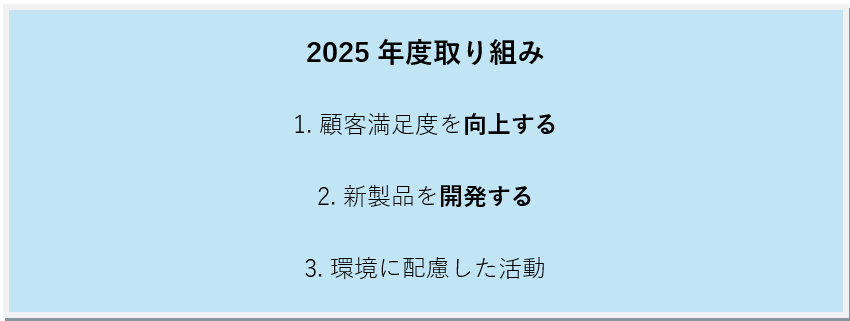
How would you translate this list? A direct, non-parallel translation might look like the following:
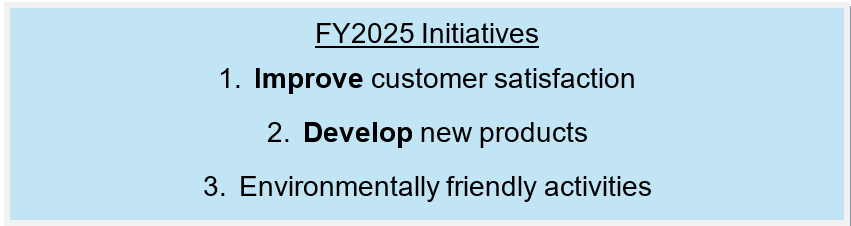
Take a look at item #3. Unlike the first two items, the phrase environmentally friendly activities does not include a verb. A missing verb here can be jarring to English readers, who may wonder what action your company intends to take regarding these activities.
Do you intend to engage in environmentally friendly activities? Increase participation in such activities? Start engaging? Continue current activities?
Ensuring parallel structure can support quick reading, reduce misinterpretation, highlight priorities clearly, and build trust through polished communication.
Items Within the Same Hierarchy
Items within the same hierarchy do not always appear as lists.
A good example of this is a company’s materiality. Materialities have become a common reporting element across sustainability reports, ESG disclosures, and IR documents.
When laying out each materiality, ensure each item follows the same tense and grammatical structure, even if located in various similar areas throughout your report.
Let’s take a look at the following materialities.
Does each materiality use parallel structures? Or can you identify a mix of plain verbs, noun phrases, and gerunds? If there is a mix, how might you fix it?
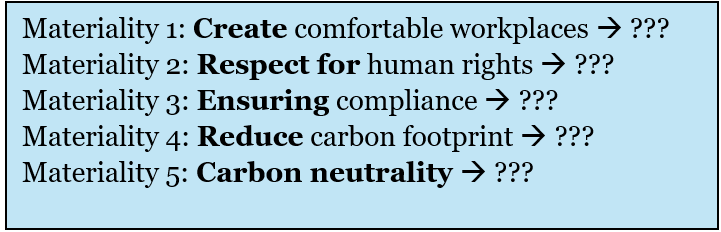
If you answered that the materialities are not parallel, you would be correct. But how can you best fix this issue?
There are three simple approaches you can take.
- Convert all plain verbs and gerunds (verbs taking “-ing”) into noun phrases
- Convert all noun phrases and gerunds into plain verb phrases
- Convert all nouns and verb phrases into gerunds
Let’s take a look at the following edited materialities.
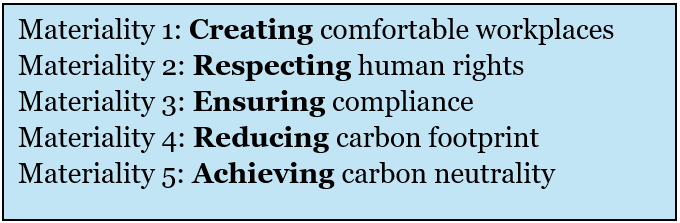
Would you say the items in this group are parallel?
The correct answer is yes.
Note that in my revision, I changed all forms into “-ing” verbs. Whether you revise your list to begin with plain verbs, “-ing” verbs, or nouns can boil down to preference, style, and even context.
The Takeaway
Literal translations can miss structural signals that matter in English. Ensuring parallel structure in English translations can lower miscommunication and ensure the intent of the Japanese is translated clearly.
Parallel structures across lists and items within the same hierarchy can also create a polished tone that supports trust and credibility with global investors through a clear structure that strengthens your message.
For support in creating consistent English writing, contact One World Link today



Jessica Azumaya
最新記事 by Jessica Azumaya (全て見る)
- Are You Using Incorrect English in Japanese Design? - 12月 15, 2025
- One Easy Way to Make Your English Writing Appear More Natural - 12月 13, 2025
- Why Using a Consistent Theme for Integrated Reports Strengthens Your Global Message - 12月 11, 2025
- Why Vertical Japanese Text Design Ruins English Reports - 12月 9, 2025
- Writing Is More Than ‘What’ You Say - 12月 5, 2025